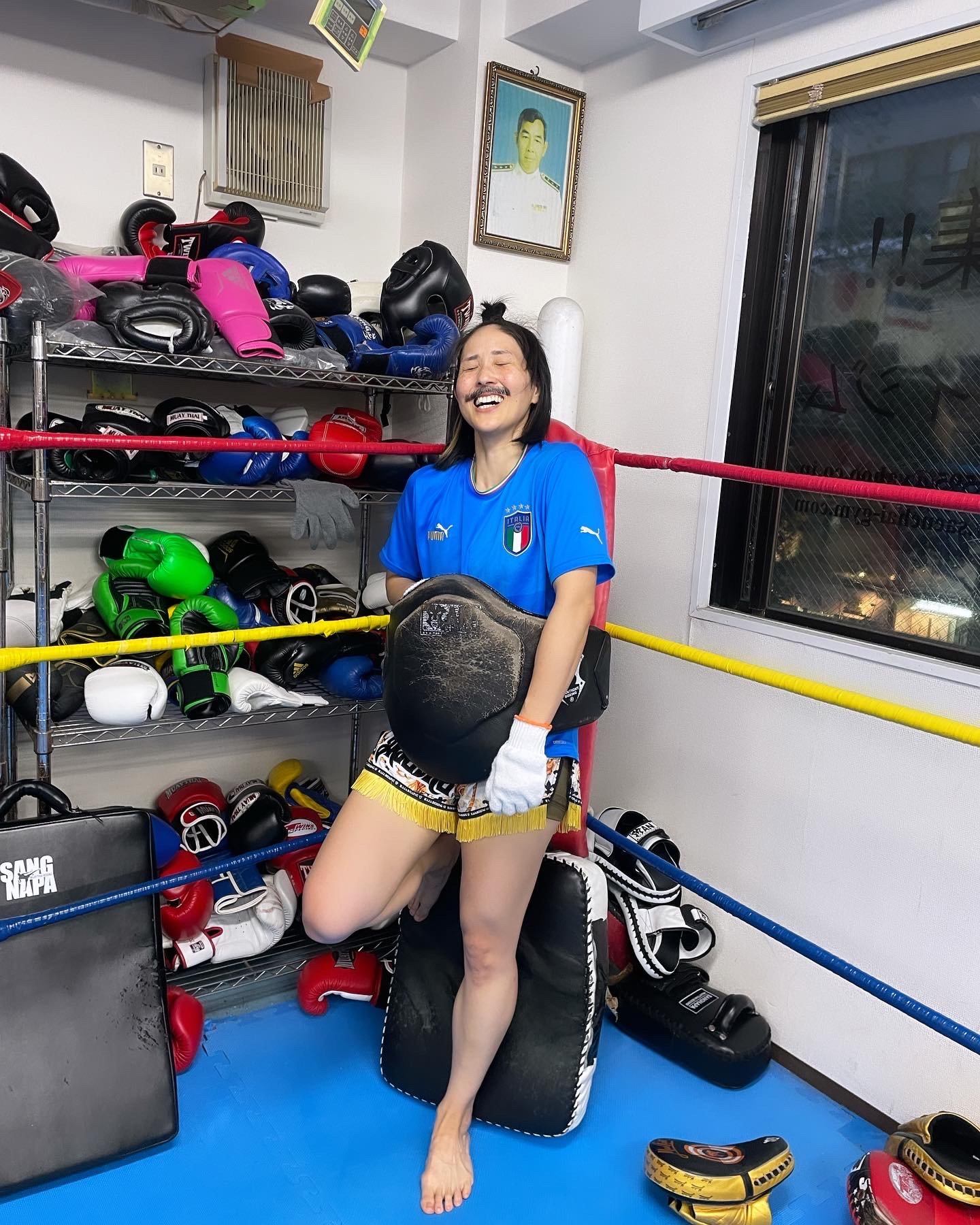
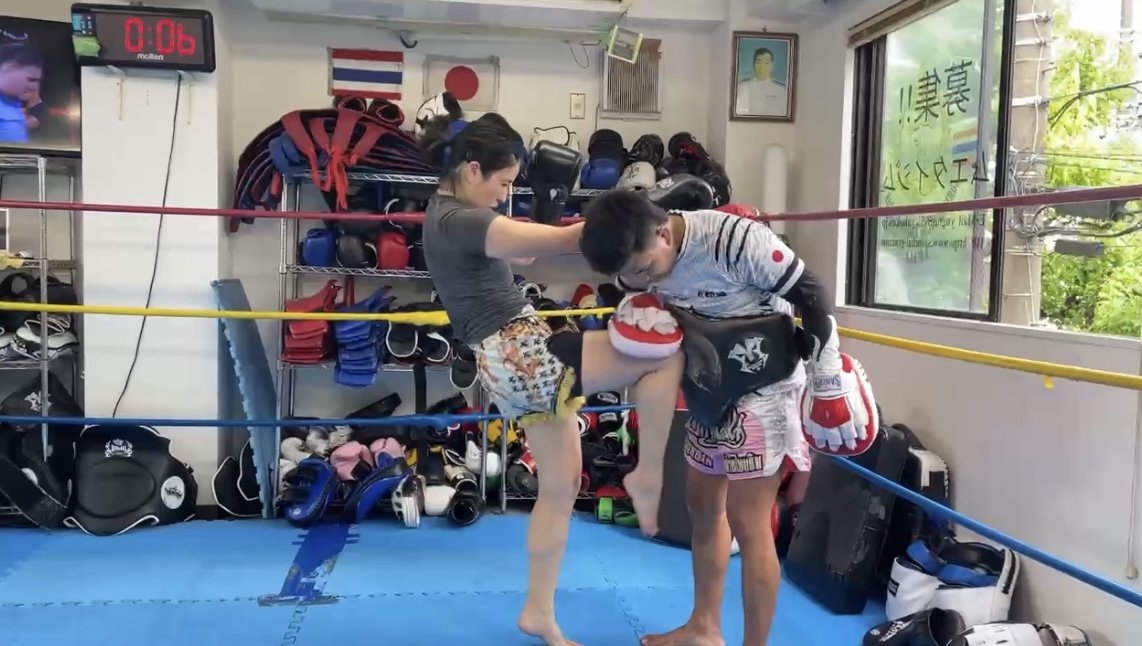
Several months ago, I was trapped in my Muay Thai gym by an acquaintance. We’d been friendly and he’d expressed some romantic interest approximately a year prior, which I’d uncomfortably ignored. This time, he’d lingered long after finishing his session, then placed his shoes by the only entry and exit to the gym. He stood there with one foot in one shoe so anyone leaving would be forced to squeeze by him. I’d stalled for about half an hour after my session out of misplaced optimism that he’d leave without me. I was not so lucky.
Exhausted from training and needing food and a shower, I gave up the waiting game, assuming he’d come via bicycle as usual. He had not. I politely ended up walking to the train station with him, mentally fabricating excuses to escape while convincing myself he’ll probably take a separate train. As we were about to board the same train, my soul screaming in despair, he asked me out. Too late, I’d wished I’d stepped in front of the train.
Later, a close male friend would inform me that the awkward timing of the asking out was entirely intentional (“yeah, so you couldn’t say no”). Still in disbelief that I’d been forced to participate in that particular situation, I laughingly related the same story to another friend, who looked at me visibly horrified.
“I am so sorry,” he said, “that is really not ok.”
You know those moments, hopefully rare, when you realize the full extent of what someone did to you and that your reaction, which did not involve punching them in the throat, was a kindness they did not deserve or appreciate? And that usually concurrent gut punch that you’d somehow allowed circumstances or social expectations to drown any adherence to your values?
It may be influenced, in part at least, to that Japanese thing of accepting any situation, to limit the ripples one might create in society, no matter how terrible those circumstances may be. It may be that social expectation that women be invariably gracious. The prevalence of casual sexual assault in Tokyo and the fear of physical retaliation probably contribute. The outcome, though, remains: at some point, I’d become deadened to completely weird and/or inappropriate behavior.
Had this numbness been limited to other people’s conduct, the past few years may have felt less like a loss. But the acceptance of not-great external circumstances led to an avoidance of even my own discomfort. Creativity, and the capacity to engage in thought outside whatever was required for work, suddenly seemed exhausting. Under the guise of “taking it easy,” I sank into distraction and passive consumption.
The best part? It was so easy. I could pretend – for days, weeks, years – that mindlessness was what I needed, that creativity would strike me when it was time. Instagram, Netflix, and Youtube filled every space between work and the gym. Absolved of the responsibility of thought, with my comfort and entertainment my sole concern, life was no longer so challenging.
It's both a sad and liberating day to wake up from that stupor to get back to yourself. When I attempted to use my imagination after several years of nonuse, my mind seemed to shrug its shoulders and came up blank. It was like pushing against a heavy door that has sealed itself shut from neglect. And because I’d voluntarily made my world so much smaller, I could only fabricate ideas that were anchored in reality: I’d lost the ability to imagine better.
That’s exactly the thing they don’t warn you about; that you’ll die from distraction. That idle consumption will always win over the effort and persistence required to create, that in losing your dreams to social media and streaming services, you’ll lose your self-respect in the process, too. And when you’ve numbed out your imagination, it becomes easy to settle for less or stay in not-quite-bad-enough.
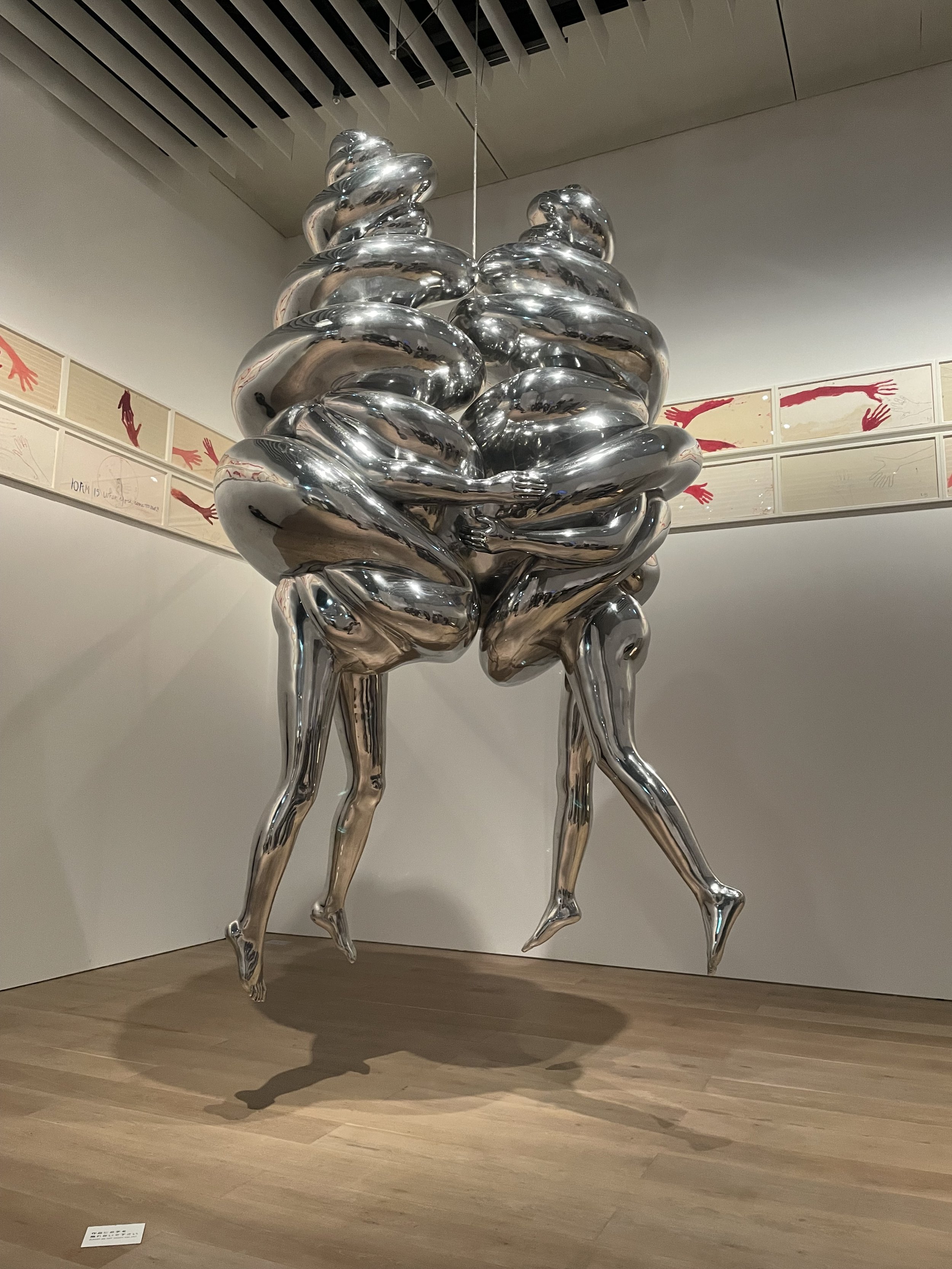
Art by Louise Bourgeois.
The thing is: we die at the end of this. A life of throwing myself at the wall of creative success may be a futile way to live, but the alternative – and the people that come with that alternative – are far worse. While I’ve often wished for a more “normal” life, I’ve never wanted a smaller one. I’m here to do this, to try, to care, to fail. Isn’t that the point of all this?
The past few months, I’ve cracked open that door to imagination and like to think that, even if a Japanese man was blocking that door, I’d shove him out of the way to get back to my creativity.